How to Avoid Botched Breast Augmentation in Korea
How to Avoid Botched Breast Augmentation in Korea
Breast augmentation in Korea is generally known for high aesthetic standards and advanced surgical techniques, but like any surgical procedure, outcomes depend heavily on planning, surgeon expertise, and patient selection. Avoiding a “botched” result is less about luck and more about making informed decisions before and after surgery. In Seoul, especially in areas like Gangnam, many revision cases are actually preventable complications from primary surgery choices.
Choose a Surgeon Specializing in Breast Surgery
One of the most important factors is selecting a surgeon with strong breast-specific experience.
Look for:
- A focus on breast augmentation and revision cases
- High volume of breast surgeries (not general cosmetic surgery only)
- Experience with complex cases like asymmetry or revisions
- Consistent before-and-after results showing natural outcomes
Revision expertise is especially important because it reflects problem-solving ability.
Prioritize Natural Proportion Over Size
Many complications come from choosing implants that are too large or too dramatic.
To avoid this:
- Match implant size to chest width and tissue thickness
- Avoid prioritizing cup size alone
- Consider long-term tissue stretching effects
- Focus on balance with shoulders, waist, and hips
Natural proportion is one of the strongest predictors of long-term satisfaction.
Understand Your Breast Anatomy Before Surgery
Every patient has different anatomical limitations that affect results.
Key factors include:
- Chest width and ribcage shape
- Breast tissue thickness
- Skin elasticity
- Natural asymmetry
- Nipple position
A good surgical plan always starts with anatomy, not implant preference.
Choose the Right Implant Type and Placement
Implant selection plays a major role in avoiding complications.
Important decisions include:
- Silicone vs saline implants
- Round vs anatomical shape
- Moderate vs high profile
- Submuscular vs subglandular placement
Incorrect combinations can increase risks of rippling, hardness, or unnatural shape.
Avoid Over-Dissection of the Implant Pocket
Many “botched” cases come from poorly created implant pockets.
Proper technique should ensure:
- Stable implant positioning
- Balanced medial and lateral support
- Prevention of bottoming out or high riding
- Symmetry between both sides
Pocket control is critical for long-term stability.
Don’t Ignore Surgeon Communication Quality
Communication is often a hidden factor in surgical success.
Red flags include:
- Unrealistic promises about results
- Lack of clear explanation of risks
- No detailed surgical plan discussion
- Pressure to choose larger implants
A good surgeon will discuss limitations honestly.
Follow Pre-Surgery Planning Carefully
Detailed planning reduces the risk of unexpected outcomes.
This may include:
- 3D imaging or simulation
- Breast measurements and analysis
- Implant size trial fitting
- Skin and tissue assessment
- Discussion of long-term changes
Planning helps align expectations with reality.
Follow Post-Surgery Instructions Strictly
Even a well-performed surgery can be compromised by poor aftercare.
Important guidelines include:
- Wearing support garments as instructed
- Avoiding early pressure or trauma to chest
- Limiting upper body movement during healing
- Attending follow-up visits regularly
- Reporting early signs of asymmetry or pain
Healing plays a major role in final results.
Be Aware of Early Warning Signs
Detecting issues early can prevent long-term complications.
Watch for:
- Increasing asymmetry after initial healing
- Hardening or tightness in one breast
- Implants sitting too high or too low
- Persistent swelling or pain
- Visible distortion of shape
Early intervention often prevents revision surgery.
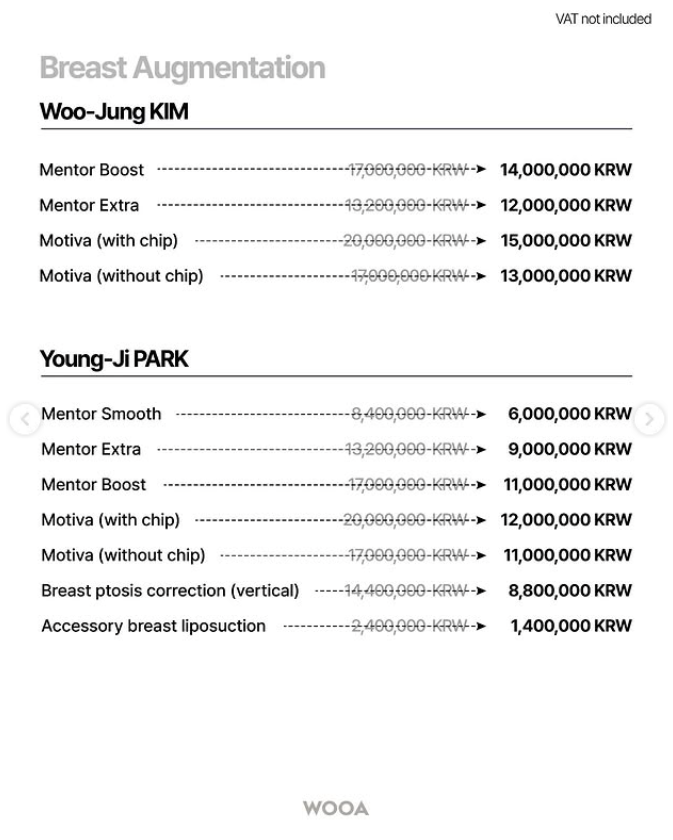
Avoid Choosing Surgery Based on Price Alone
Lower cost options may increase risk if quality or experience is compromised.
Instead, consider:
- Surgeon expertise
- Clinic specialization
- Safety protocols
- Revision capability
- Long-term outcome consistency
In breast surgery, quality often determines longevity of results.
Final thoughts
Avoiding a botched breast augmentation in Korea depends on careful planning, realistic expectations, and choosing a highly experienced breast-focused surgeon. Most complications are not random—they result from implant size mismatch, pocket design issues, or inadequate anatomical consideration. With proper evaluation, clear communication, and disciplined aftercare, patients can significantly reduce risks and achieve natural, balanced, and long-lasting breast augmentation results.